
Great markets don't just bring people together. They create opportunities for local businesses to grow, communities to connect and for neighbourhoods to thrive.
Take a moment to picture two markets.
The first, has rows of stalls selling familiar products. There's plenty to browse, but little that connects the experience to the town, its people or its identity.
The second is filled with local growers, independent makers, emerging designers and family-run businesses. There's fresh produce grown just down the road, handmade ceramics inspired by the surrounding landscape, and food that reflects the cultures and traditions of the community.
Both are markets. Both offer people somewhere to shop. But one offers something more… a sense of place.
And that difference rarely happens by accident - because, behind every memorable market is an event manager making thoughtful decisions about who trades, what products are offered and the kind of experience visitors take home.
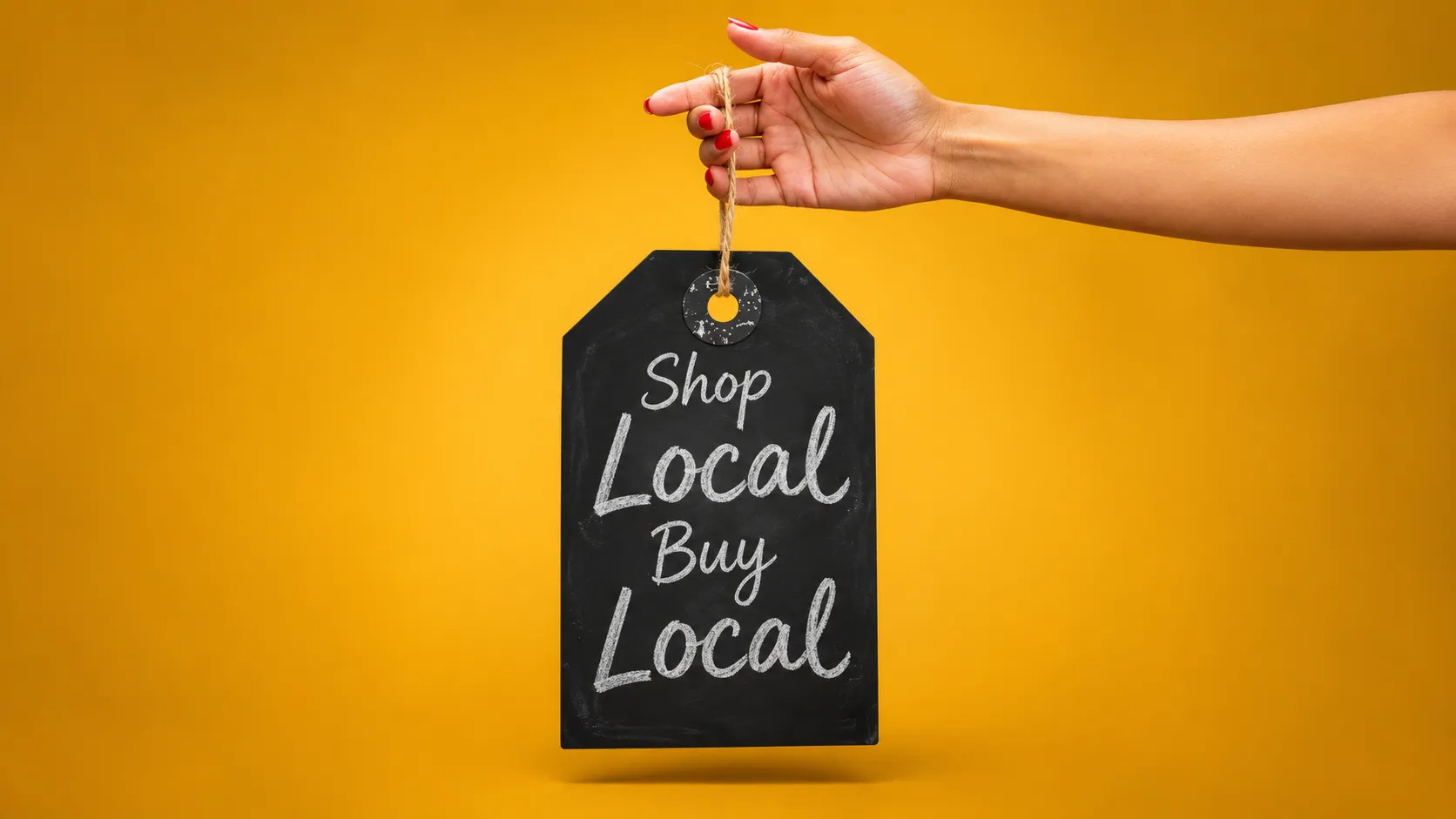
As the Shop Local, Buy Local movement continues to resonate with communities, market event managers have a unique opportunity to turn that sentiment into something tangible.
Not simply by promoting local shopping, but by creating the environment where local businesses can flourish.
Your Market Is a Reflection of Your Community
Every community has its own character.
For example, a coastal town might be home to talented artists, seafood producers and makers inspired by the ocean. A rural community might have generations of farming families, specialty food producers and traditional craftspeople. A multicultural neighbourhood might bring together an extraordinary collection of cuisines, textiles, jewellery and creative traditions.
These are the things that make a place distinctive. And markets are uniquely positioned to bring them together.
As a market event manager, when curating your market, consider what makes your community special. Who are the people creating, growing and producing locally? Are there businesses with interesting stories that haven't yet found their audience?
Rather than simply asking, "How do we fill our available stalls?" try asking:
"What would make our market a genuine celebration of this community?"
That shift in thinking can transform a collection of stallholders into a destination people actively seek out.
Curate for Quality, Diversity and Discovery
Supporting local doesn't mean accepting every local business that applies.
A successful market still needs balance.
Too many stalls offering similar products can make it difficult for traders to achieve worthwhile sales, while a limited variety can leave visitors with little reason to explore.
Thoughtful curation considers the entire experience. So instead, look for a mix of established favourites and emerging businesses. Balance everyday essentials with unique discoveries. Consider how food, produce, handmade goods, entertainment and interactive experiences complement one another. And think beyond product categories.
Two ceramic artists might create entirely different work, appeal to different customers and bring something equally valuable to your market. The goal isn't necessarily to eliminate competition. It's to create a diverse and interesting marketplace where traders have a fair opportunity to succeed.
A well-curated market gives visitors more reasons to attend, more reasons to stay and more reasons to return.
Make Room for the Businesses That Are Just Starting Out
Some of tomorrow's most successful independent brands are being created right now, at kitchen tables, in home studios and in small workshops.
But getting a business off the ground isn't easy. New makers may not have an established customer base, professional marketing materials or the confidence to approach a large event.
Market event managers can play an important role in helping these businesses take their first steps.
Consider introducing a small number of emerging-maker stalls, offering smaller or lower-cost spaces for first-time traders, or creating a dedicated section for new local businesses.
You could even partner with local schools, creative organisations or business networks to discover talented people who haven't yet considered selling at a market.
Of course, new businesses still need to meet your market's quality, safety and compliance requirements. But experience alone shouldn't determine opportunity. Sometimes all a talented maker needs is someone willing to give them their first chance.
Help Your Traders Tell Their Stories
One of the greatest advantages local markets have over traditional retail is the opportunity for customers to meet the people behind the products. Yet many visitors walk past stalls without ever discovering the stories that make those businesses special.
As an event manager, you can help change that.
Introduce a weekly Meet the Maker feature on social media. Share photographs of traders creating their products. Tell the story of a family farm, a traditional craft or an artist who turned a lifelong passion into a business.
Encourage traders to share the inspiration behind their work, where their materials come from and what makes their products different.
These stories give people a reason to seek out a particular stall rather than simply browse, and they also create valuable marketing content for your market.
Instead of repeatedly posting generic reminders about your next event, you're introducing your audience to interesting people and giving them something to look forward to. And the benefits flow both ways. When you promote your traders, they have more reasons to promote your market to their own customers.
Make Shopping Local Part of the Experience
If supporting local businesses is central to your market's identity, make it visible.
That doesn't mean covering every sign with Shop Local slogans. Instead it means helping visitors understand what makes your traders special.
You might highlight locally grown produce, introduce signage identifying handmade products, or create a market trail featuring businesses based within your region.
Consider inviting makers to demonstrate their craft, growers to talk about seasonal produce, or food producers to offer tastings and explain their ingredients.
These experiences turn shopping into discovery. They also help visitors appreciate the time, skill and effort behind products that might otherwise be compared purely on price.
Be thoughtful about how you define local, too. A business may be locally owned while sourcing materials internationally, while another might grow its produce nearby but sell through a larger distribution network.
Neither should automatically be excluded, but clear and honest descriptions help visitors make informed choices.
Build Relationships Beyond the Market Gates
A thriving market can become an important part of the wider local business community.
Think about the businesses surrounding your event.
Could nearby cafés offer a market-day special? Could local shops participate in a shared promotional campaign? Could your market collaborate with tourism organisations, community groups or local councils?
Perhaps a nearby restaurant could feature ingredients from one of your growers, or a local retailer could stock products from a popular market artisan. These relationships can introduce traders to new customers and create opportunities that extend beyond a single trading day. They can also help position your market as a valuable community asset rather than simply another event on the calendar.
When local businesses work together, the potential benefits reach further than any one stall or shopfront.
Supporting Local Businesses Means Helping Them Succeed
There's an important distinction between giving local businesses somewhere to trade and genuinely supporting their success.
A trader who spends hours preparing stock, travelling to your event and setting up their stall needs more than an allocated space. They need clear communication, thoughtful event planning and a reasonable opportunity to reach customers.
That means considering practical questions.
Are you attracting the right audience for the businesses you've selected? Is the market layout encouraging visitors to explore every area? Are traders receiving enough information to prepare properly? Are you listening to feedback about sales, foot traffic and the overall experience?
And perhaps most importantly, are you creating an environment where good businesses want to return?
At LocalStalls, we see how much work happens behind the scenes of a successful market. From reviewing applications and maintaining the right trader mix to managing bookings, documents and payments, event managers juggle an enormous number of responsibilities.
Having systems that simplify these processes gives event managers more time to focus on the things that make their markets special: building relationships, discovering new businesses and creating experiences that keep visitors coming back.
Because ultimately, the success of a market and the success of its traders are closely connected.
Five Ways to Put Shop Local, Buy Local Into Action
You don't need to completely reinvent your market to make a difference. Start with a few deliberate changes.
- Review your trader mix. Identify gaps in local products, fresh produce, handmade goods or emerging businesses that could add something new to the experience.
- Introduce a Meet the Maker series. Feature one trader each week and share the story behind their business, not just what they sell.
- Create opportunities for new businesses. Consider introductory stall options or a dedicated emerging-maker area.
- Collaborate with neighbouring businesses. Look for ways to connect your market with local shops, hospitality venues and community organisations.
- Ask traders what they need. Gather feedback regularly and use it to improve the experience for both stallholders and visitors.
Small improvements, made consistently, can have a lasting impact.
More Than a Market. A Community Worth Supporting.
Market event managers are often described as event planners, administrators or business owners. But their influence extends well beyond organising a successful trading day.
They create spaces where entrepreneurs find their first customers, where traditional skills are celebrated, where local growers connect directly with households and where people discover businesses they may never otherwise have encountered.
They help shape the character of their communities! And every decision, from selecting a new trader to promoting a local maker, contributes to that bigger picture.
The Shop Local, Buy Local message is important, but it becomes far more meaningful when communities have wonderful local businesses and experiences worth supporting.
As a market event manager, you're not just encouraging people to shop local, by running a well thought out and curated event, you're also giving them a reason to!
LocalStallshelps market event managers bring their communities together by simplifying applications, bookings, payments, stallholder management and more, leaving more time to focus on creating thriving markets and supporting the businesses behind them.